
A Smarter Choice for Stronger Kids' Immunity
This season in Malaysia, many parents are noticing something familiar and worrying. It is no longer just the occasional sniffles that come with school and playdates. Respiratory viruses such as Respiratory Syncytial Virus (RSV) and influenza continue to circulate widely, especially among young children. Studies shown that RSV is one of the leading causes of lower respiratory tract infections in Malaysian children under five years old, with higher hospitalisation rates seen among toddlers and younger children1.
For parents of children aged two to six, these years can feel especially challenging. Children are active, social, and curious, yet their immune systems are still developing. With viruses circulating year-round and illness often increasing during Malaysia's rainy periods, it is natural for parents to pay closer attention to their child's immune health.
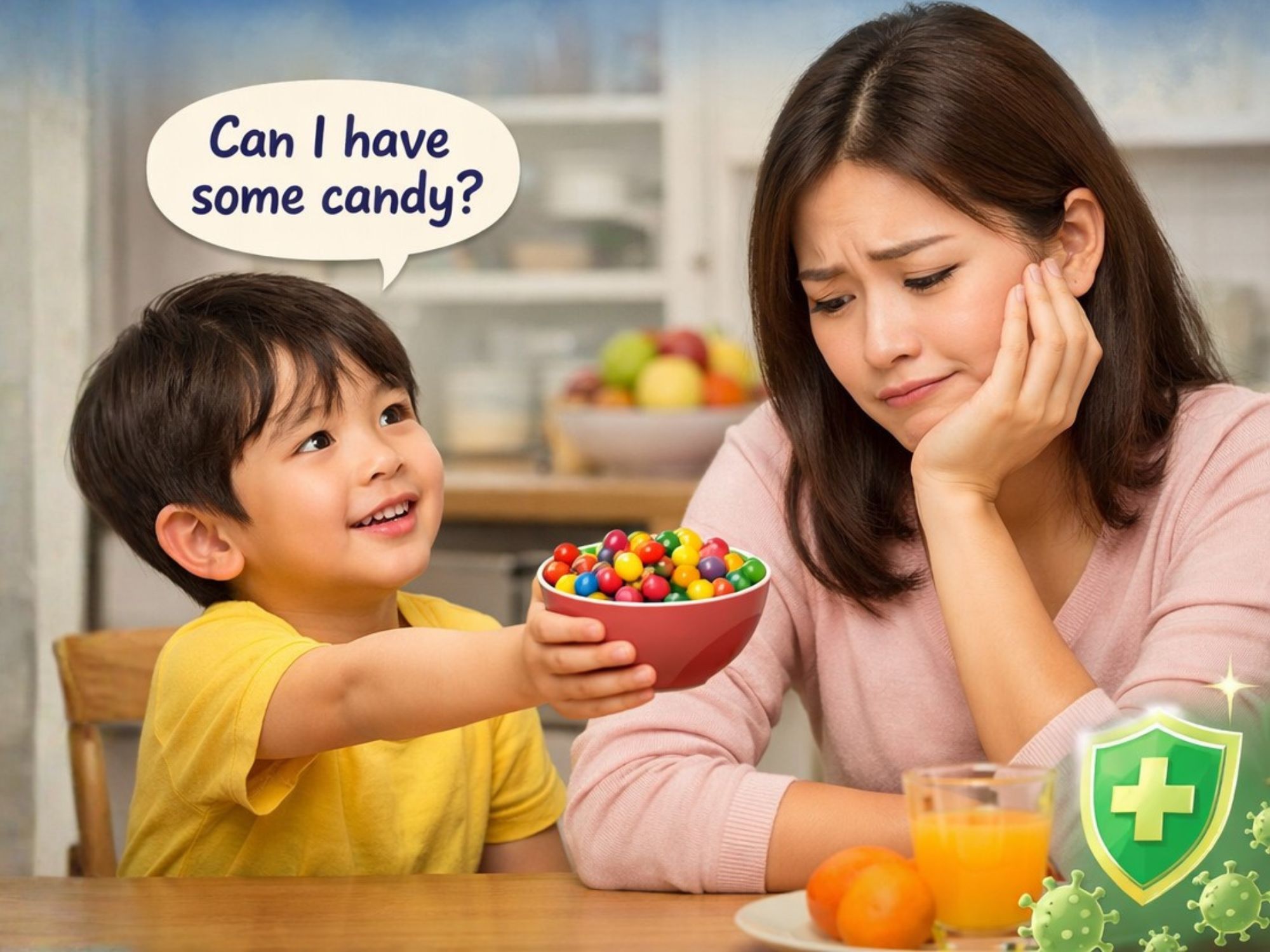
Amid all these concerns, a familiar question still appears at the end of the day:
“Can I have some candy?”
It is a small request, but one many parents recognise. The quiet tug-of-war between “just one more sweet” and “don't ruin your appetite for dinner”, plays out daily in many Malaysian homes. What seems like a simple decision often reflects a deeper concern: how to keep children happy without compromising their wellbeing.
When snacks are mostly sugar, parents may notice children becoming restless or cranky. More importantly, sugary treats can add calories without providing nutrients that growing bodies need. One such nutrient is vitamin C.
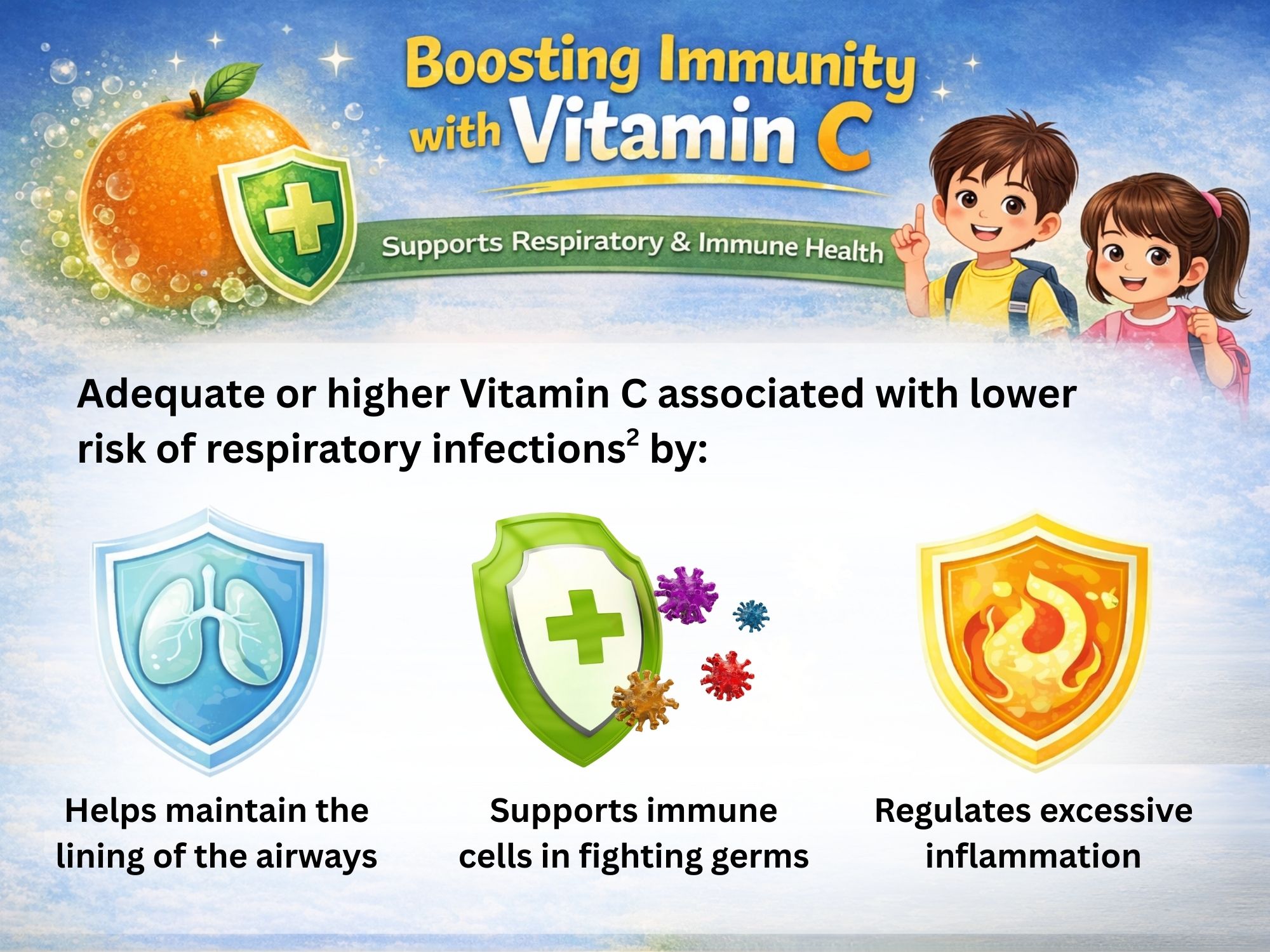
Beyond its reputation as a “cold fighter,” research shows that adequate or higher Vitamin C status is associated with a lower risk of respiratory infections in children and adolescents, and in some cases, milder symptoms or shorter duration of illness2. Because vitamin C is water-soluble and not stored long-term in the body, consistent daily intake is important to maintain levels that support immune function. Vitamin C contributes to immunity by helping maintain the lining of the airways, supporting immune cells in fighting germs and regulating excessive inflammation3.
Young children typically need about 30-35 mg of vitamin C daily4. However, busy school days and picky eating can make consistent intake difficult. This is why small, regular sources of vitamin C play a supportive role in meeting daily needs.
Rather than removing treats altogether, many parents are choosing to make smarter swaps.Appeton A-Z Kid's Vitamin C Pastilles offer a healthier treat option that fits naturally into daily routines. Made with real fruit juice and providing 30mg of vitamin C per pastille, they contribute meaningfully to a child's daily vitamin C intake while still tasting good and feeling familiar. Because they are enjoyable, children accept them easily without parents having to negotiate.
Nutrition does not have to be boring. Appeton A-Z Kid's Vitamin C Pastilles are embossed with alphabets, turning snack time into a simple moment of learning that parents and children can enjoy together. Packed in small sachets with just five pastilles, they also help support portion control, quietly and effortlessly, without turning snack time into a lecture.
No snack can prevent every illness and no vitamin can replace good hygiene, adequate rest, or proper medical care. But small, consistent choices do matter, especially when they are easy to maintain. Supporting children's health does not mean taking away their joy, it means choosing options that support both, every day.

Learn more: Appeton A-Z Kid's Vitamin C Pastilles
References:
- Nordin, M. M., & Musa, H. (2025). Future landscape in the prevention of Respiratory syncytial virus (RSV) infection in children. Malaysian Journal of Paediatrics and Child Health, 31(2), 56-60. https://doi.org/10.51407/mjpch.v31i2.368.
- Li, C., et al. (2025). The association between serum vitamin C levels and respiratory infections in children and adolescents. Frontiers in Nutrition, 12, 1601218. https://doi.org/10.3389/fnut.2025.1601218.
- Ghalibaf, M. H. E., et al. (2023). The effects of vitamin C on respiratory, allergic and immunological diseases: an experimental and clinical-based review. Inflammopharmacology, 31(2), 653-672. https://doi.org/10.1007/s10787-023-01169-1.
- Suzana, S. (2017). Chapter 12: Vitamin C. In Recommended Nutrient Intakes for Malaysia: A Report of the Technical Working Group on Nutritional Guidelines (pp. 218). Ministry of Health Malaysia; Putrajaya, Malaysia.